Boston Children's Museum
308 Congress Street, Boston, MA 02210
617-426-6500
© Boston Children’s Museum 2025
Website Design by Jackrabbit

Making handmade greeting cards is a great way for kids to make use of the paper that they worked so hard to create. At the same time, making cards encourages creative writing and practice of written language. It also helps children learn how to write clear sentences and paragraphs that develop a central idea, and how to be thoughtful about the audience and purpose of written material.
VIEW ACTIVITY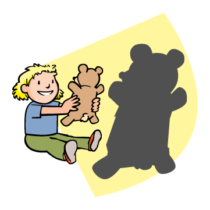
Learning to observe the characteristics of objects, use descriptive vocabulary and ask the kinds of questions that lead to desired answers are all critical skills for children to develop. In this shadow guessing game, children will utilize those skills while at the same time exploring the science of shadows.
VIEW ACTIVITY
Children will have their own special associations with spring and its early signs. For the Mashpee Wampanoag in Massachusetts the signs of spring always begin with the return of a special fish, the herring, from the ocean to the local streams and rivers to spawn. This event marks the celebration of the Wampanoag New Year. What other new year’s festivals and celebrations are your children familiar with? Are there natural occurrences which are associated with them?
VIEW ACTIVITY
Team storytelling encourages creative writing and practice of written language. It also helps children learn how to write clear sentences and paragraphs that develop a central idea, and how to be thoughtful about the audience and purpose of written material.
VIEW ACTIVITY
Giving children an opportunity to play with interesting materials in an open-ended setting allows them to develop observation skills, problem solving skills and methods of experimentation. The material used in this activity, “Oobleck”, is made from ingredients found in most kitchens.
VIEW ACTIVITY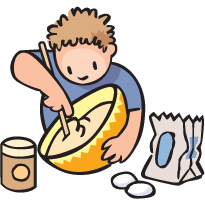
Cooking activities, even simple ones like this, are filled with great learning opportunities. Along with measurement and math skills, kids can develop problem solving and literacy skills as well. Having kids test market their cupcakes is a great way to work on oral and written literacy skills, data collection and analysis, tabulation and distinguishing characteristics of an object.
VIEW ACTIVITY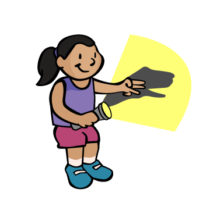
Along with all of the literacy benefits to having children write and act in their own plays, in this activity they will also learn to read, listen to and tell stories; to work effectively and cooperatively in an ensemble; to create a play with a beginning, middle and end based on an original idea; and to plan, improvise and write or record a play that includes the “five W’s”: who, what, where, when, and why. And by introducing children to Chinese shadow puppet history and/or stories, they will grow to understand the visual arts in relation to history and cultures.
VIEW ACTIVITY
Cooking activities, even simple ones like this, are filled with great learning opportunities. Along with measurement and math skills, kids can develop problem solving and literacy skills as well. By experimenting with the ways that certain ingredients act and react with each other, children will gain an understanding of basic cooking chemistry, and will even learn about design as they create and make changes to their cupcake “prototypes”.
VIEW ACTIVITY
Classic games like 20 Questions and Word Bluff give children a chance to practice asking good questions, using descriptive vocabulary, and focusing on the structure of certain words. This game also encourages children to think about characteristics of people, places and things.
VIEW ACTIVITY
Word games are a great way to help children flex their literacy skills and have fun at the same time. This activity focuses on vocabulary and concept development as well as spelling.
VIEW ACTIVITY
Boston Children's Museum
308 Congress Street, Boston, MA 02210
617-426-6500
© Boston Children’s Museum 2025
Website Design by Jackrabbit